
🔹 Opening
Welcome to K Trip Easy, where Korean drama comes with subtitles for the culture, too. Today we’re heading to Jeonju, Korea’s food capital.
🔹 Intro
Jeonju is the city where Korea’s Joseon Dynasty began, and it is still known for a hanok village of nearly 800 traditional houses. A popular Korean variety show, Jun Hyun-moo’s Plan, recently visited three local restaurants here. Using that broadcast as a starting point, this guide lays out what each restaurant serves, how to get there, and where else to eat nearby — written for foreign travelers who actually want to visit.

🔹 Why Jeonju
Jeonju is about 1 hour 50 minutes from Seoul by KTX, with a one-way fare of around ₩28,000. The hanok village streets are free and open 24 hours, while Gyeonggijeon Shrine opens at 9:00 a.m. (about ₩3,000 admission). Jeonju is a food city famous for bibimbap and kongnamul gukbap (bean sprout soup with rice), so the food itself is a reason to travel here.
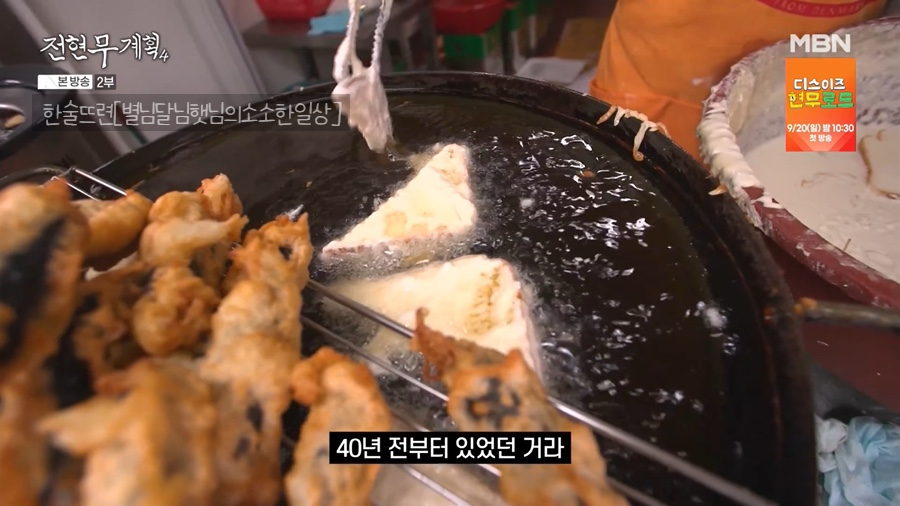
🔹 Restaurant 1 — Gyeongjang Manna Twigim (Fried Snacks)
The first stop on the show was a small, old-school shop that sells only twigim (Korean fried snacks). The owner fries food-to-order, including battered white bread and gimmari (fried seaweed rolls).
- Address: 47 Deulsapyeong-ro, Deokjin-gu, Jeonju, Jeollabuk-do
- Menu & price: Fried items, fish cake, tteok-kkochi ₩700 each (3 for ₩2,000); corn dog ₩1,500 each; takeout from ₩4,000
- Hours: 10:30 – 22:00 (sources vary; confirm before visiting)
- Closed: Every Sunday
- Parking: No lot; roadside only
- Getting there: Behind Jeonju Sports Complex, in the alley to the left of Deokjin Elementary School’s main gate. About 10–15 minutes by taxi from the Hanok Village
- Alternatives: For similar snacks, try the street stalls inside Nambu Market or the snack vendors within the Hanok Village
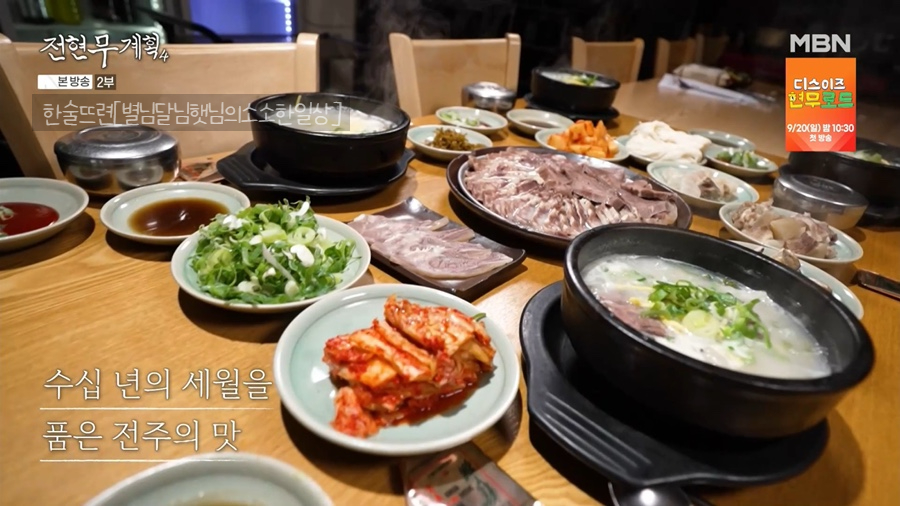
🔹 Restaurant 2 — Kim Pan-swe Jeonju Ujok-tang (Ox-Foot Soup)
The second restaurant is an ox-foot soup specialist with more than 60 years of history. Founder Kim Pan-swe began learning the recipe at a seolleongtang shop in 1956 at age 16, opened his own restaurant under his name in 1984, and moved to the current location in 2015. On the show, the guests were highly impressed by the broth.
- Address: 132 Taejin-ro, Deokjin-gu, Jeonju, Jeollabuk-do
- Signature dishes: Ujok-tang (ox-foot soup), galbi-tang (short rib soup), dogani-tang (ox knee soup), suyuk (boiled sliced beef)
- Notable: Simmered long with grains and medicinal herbs; minimal use of seasoning
- Reservations: Standard reservations accepted (recommended for groups)
- Takeout: Available for all dishes
- Parking: On-site and a dedicated adjacent lot
- Crowds: Waits are possible at lunch and on weekends
- Getting there: About 15 minutes by taxi from the Hanok Village
Note: If you enjoy soup dishes, Jeonju is also famous for kongnamul gukbap. Many shops near the Hanok Village and Nambu Market open early in the morning, making a good alternative meal.
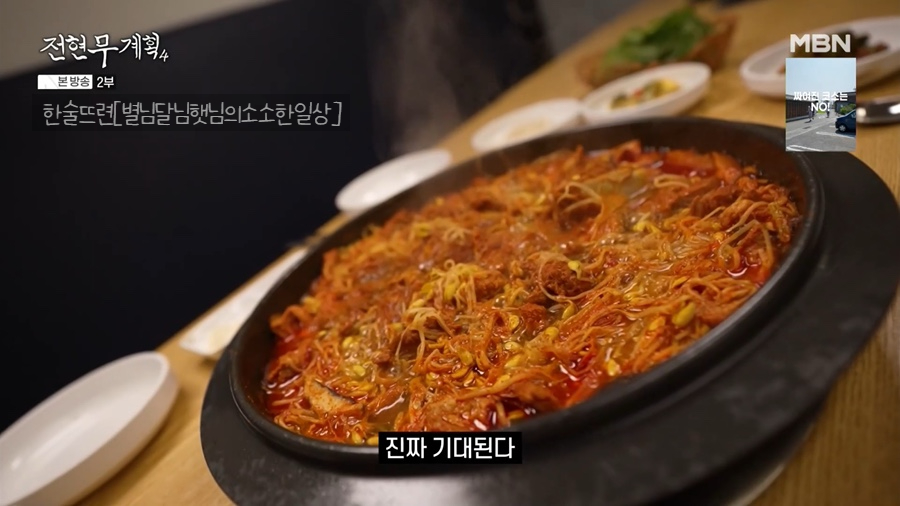
🔹 Restaurant 3 — Namno Galbi, Ajung Branch (Spicy “Water Galbi”)
The final restaurant serves mul-galbi (“water galbi”) — pork ribs simmered with bean sprouts and glass noodles in a spicy broth. On the show, guests called it a flavor “you can’t find anywhere else in the country.” Note that the show first visited the main branch (24 Hanji-gil, Wansan-gu, near the Hanok Village), but it had sold out for the day, so the cast ate at the Ajung branch of the same chain. For travelers, the main branch near the Hanok Village may be more convenient.
- Ajung branch address: 37 Guchongmok-ro, Deokjin-gu, Jeonju, Jeollabuk-do
- Main branch address: 24 Hanji-gil, Wansan-gu, Jeonju (near the Hanok Village, walkable)
- Signature dishes: Mul-galbi (pork ribs, bean sprouts, glass noodles), tteok-galbi, kimchi hot pot
- To finish: Add ramen or fried rice
- Services: Parking, takeout, delivery, reservations
- Main branch parking: No private lot; use the Jeonju Hanok Village public parking
- Crowds: 20–30 minute waits reported on weekends and at lunch
- Getting there: Main branch is within walking distance of the Hanok Village; the Ajung branch is best reached by taxi

🔹 Practical Tips
- The three restaurants are spread out, so using taxis with the Hanok Village as your base is the most convenient approach.
- Many local restaurants prefer cash or Korean mobile payment, so carry some cash.
- Popular spots get busy at lunch and on weekends; arriving right at opening is best.
- English menus are rare, so a translation app makes ordering much easier.
🔹 The Takeaway
Jeonju is less a flashy tourist destination than a city where old alleys and home-style cooking are still alive. The three places featured on this Korean variety show are not tourist traps but genuine local favorites, making them a good way to taste everyday Jeonju.
Korean drama, made easy — one episode at a time. This has been K Trip Easy. ✈️