
[Intro]
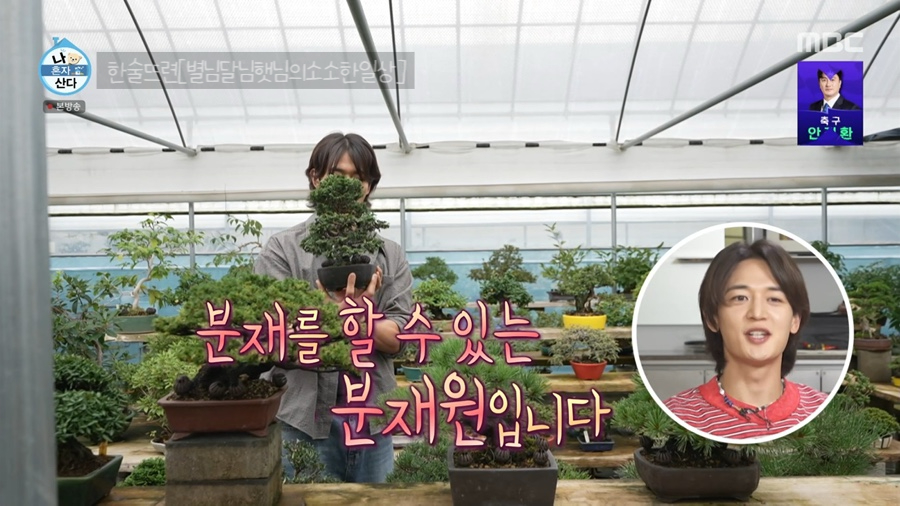
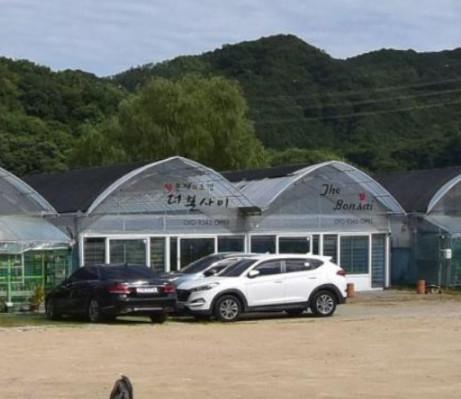
I Live Alone is a popular Korean reality show that follows celebrities living on their own. In episode 663, Minho — a member of the K-pop group SHINee — took up a new hobby: bonsai. The garden he attends is The BONSAI in Namyangju, just east of Seoul. Since the episode aired, interest has grown both in this spot and in the idea of learning bonsai in Korea. This guide covers The BONSAI, along with other bonsai gardens near Seoul that offer classes in English, plus practical tips on booking and getting there.
[What is bonsai? — Cultural note]
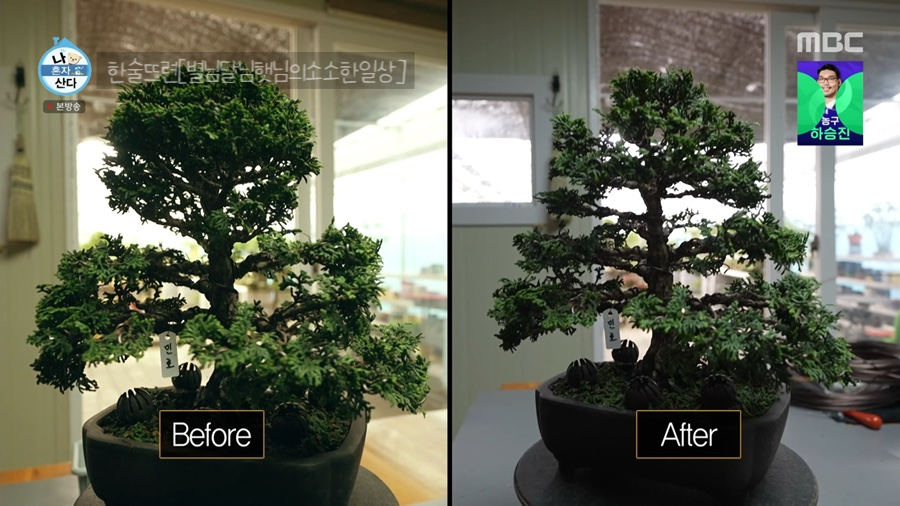
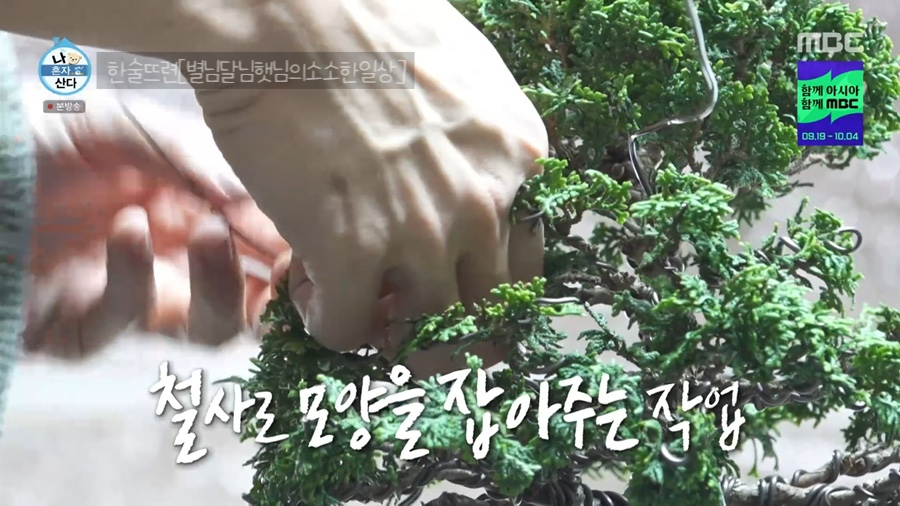
Bonsai (called bunjae in Korean) is the art of growing a tree in a small pot so it mirrors the shape of a full-grown tree in nature. Its roots trace back to penjing in Tang-dynasty China, and the practice spread across East Asia, including Korea and Japan. It is not just about planting a tree — the heart of bonsai is shaping the branches, guiding them with wire, and caring for a living tree over many years. Because it’s a hobby that values patience and care, it suits travelers who want a quiet, hands-on encounter with Korean culture.
[SHINee’s Minho and His Bonsai on ‘I Live Alone’]
[On the show — Minho’s bonsai]
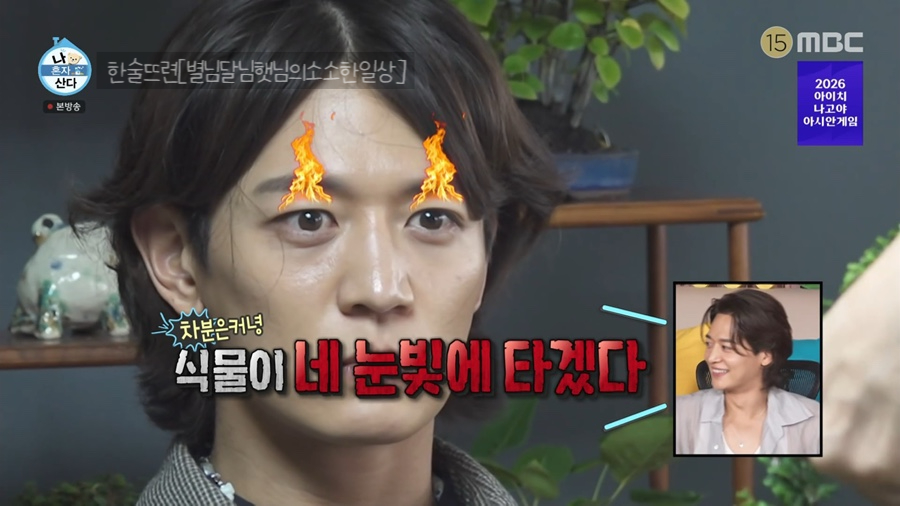
On the show, Minho had been taking lessons for two months. He’d already finished his first tree, and on this day he worked on a second one using a hinoki cypress. He called his bonsai “my son” and even said it “hurt his heart” to prune the branches. Known for his athletic, high-energy image, Minho surprised viewers with this gentle, focused side — one of the episode’s highlights.
[The BONSAI — details]
The BONSAI is a bonsai garden in Byeollae, Namyangju. Classes cover everything from choosing your type of tree to trimming, wiring, shaping, and repotting, along with aftercare — watering, sunlight, and ventilation.
Place: The BONSAI
Address: 100-2 Gwangjeon-ri, Byeollae-myeon, Namyangju-si, Gyeonggi-do
Hours: Daily, 10:00 AM – 6:00 PM
Facilities: Parking, restrooms, Wi-Fi
Note: The BONSAI does not have an online booking page, so it’s best to inquire about visits and classes by phone. Since English service isn’t guaranteed, it’s worth confirming in advance.
Close-up of a finished Korean bonsai tree[Bonsai gardens near Seoul with English classes — Alternatives]
Because English classes at The BONSAI aren’t guaranteed, English-speaking travelers may find these two options easier:
Korea Bonsai Museum: Located in Seocho-gu, Seoul, this is the city’s largest bonsai garden, with over 3,000 trees. It offers classes from beginner to advanced in Korean, English, and French. Admission is around ₩7,000, it’s about 30 minutes from Gangnam, and it’s a 5-minute walk from the nearest bus stop. A 2-hour English bonsai experience can be booked in advance through travel sites like Tripadvisor, with free cancellation up to 24 hours before.
Woomyung Bonsai Museum / Space Maum: Known for offering one-day classes for English-speaking visitors in the Gwacheon and Seoul area. You’ll try pruning, wiring, and potting a small starter tree yourself.
[Booking — traveler tips]
Most bonsai gardens in Korea require a reservation. For travelers, there are two main ways to book:
Through travel booking sites: Classes listed in English on sites like Tripadvisor or Viator — such as the English experience at the Korea Bonsai Museum — allow card payment and free cancellation, making them the easiest option. Recommended if you’re not comfortable with Korean.
Contacting directly (Instagram DM, KakaoTalk, or phone): Smaller gardens often have no online booking page and take reservations about a week in advance via Instagram DM, KakaoTalk, or phone. If Korean feels daunting, send a simple message using a translation app like Papago.
Peak seasons: Spots fill quickly in spring (April–May) and autumn (September–November), so book early.
[Getting there — traveler tips]
The BONSAI (Namyangju): About 40 minutes to 1 hour by car from central Seoul. Byeollae in Namyangju is tricky to reach by public transit alone, so a taxi or rental car is easier. If using transit, you can take the subway to Byeollae Station and switch to a taxi from there.
Korea Bonsai Museum (Seocho-gu, Seoul): Well connected by public transit. Take a bus from around Yangjae Station, and it’s a 5-minute walk from the nearest stop.
Traveler tip: Korean taxi drivers read destination addresses most accurately in Korean. Ask your hotel to write the address in Korean, or save the Korean-language address in your map app. The Kakao T (Kakao Taxi) app lets you enter your destination directly, which makes hailing a ride much easier.
[The Takeaway]
Bonsai may look like a small hobby, but it opens a quiet window into Korean culture — one of patience, care, and time. Whether you visit The BONSAI as seen on I Live Alone, or book an English class at the Korea Bonsai Museum, it’s a memorable way to slow down on a busy Korea trip. Korean drama and variety, made easy — one place at a time. This has been K Trip Easy. ✈️